Weeks left until EUDR applies on 30 Dec 2026
EUDR compliance for Indian exporters The EU forest map may show your coffee estate as forest.
In our test, 79% of 305 named coffee estates in Chikmagalur, Kodagu and Sakleshpur were flagged as forest on the EU’s own map. Flagged plots can’t ship until someone proves they are farms.
- Plot files fixed into the format your EU buyer accepts
- Flagged plots defended with evidence signed by PhD ecologists
What your EU buyer must prove for every shipment
No valid due diligence statement, no EU market. Large and medium operators from 30 Dec 2026; micro and small from 30 Jun 2027.
Geolocation of every plot
A GPS point for plots up to 4 ha, a boundary polygon above that. In the exact file format your buyer’s system accepts.
No deforestation after 31 Dec 2020
Each plot is checked against the EU’s own forest map (JRC GFC2020) and satellite forest-loss data.
Evidence on file for 5 years
If a plot is flagged, someone has to prove it is a farm, not forest. That proof travels with your shipment.
Covers coffee, rubber, cocoa, soy, palm oil, cattle and wood, including furniture, paper and many handicrafts.
79%
of 305 named coffee estates we tested have more than 10% of their area mapped as forest on the EU’s JRC GFC2020 map.
Tested 12 Oct 2026 using only public data: GeoNames estate locations, 100 m radius, JRC GFC2020 v4. The median estate showed 81% forest cover.
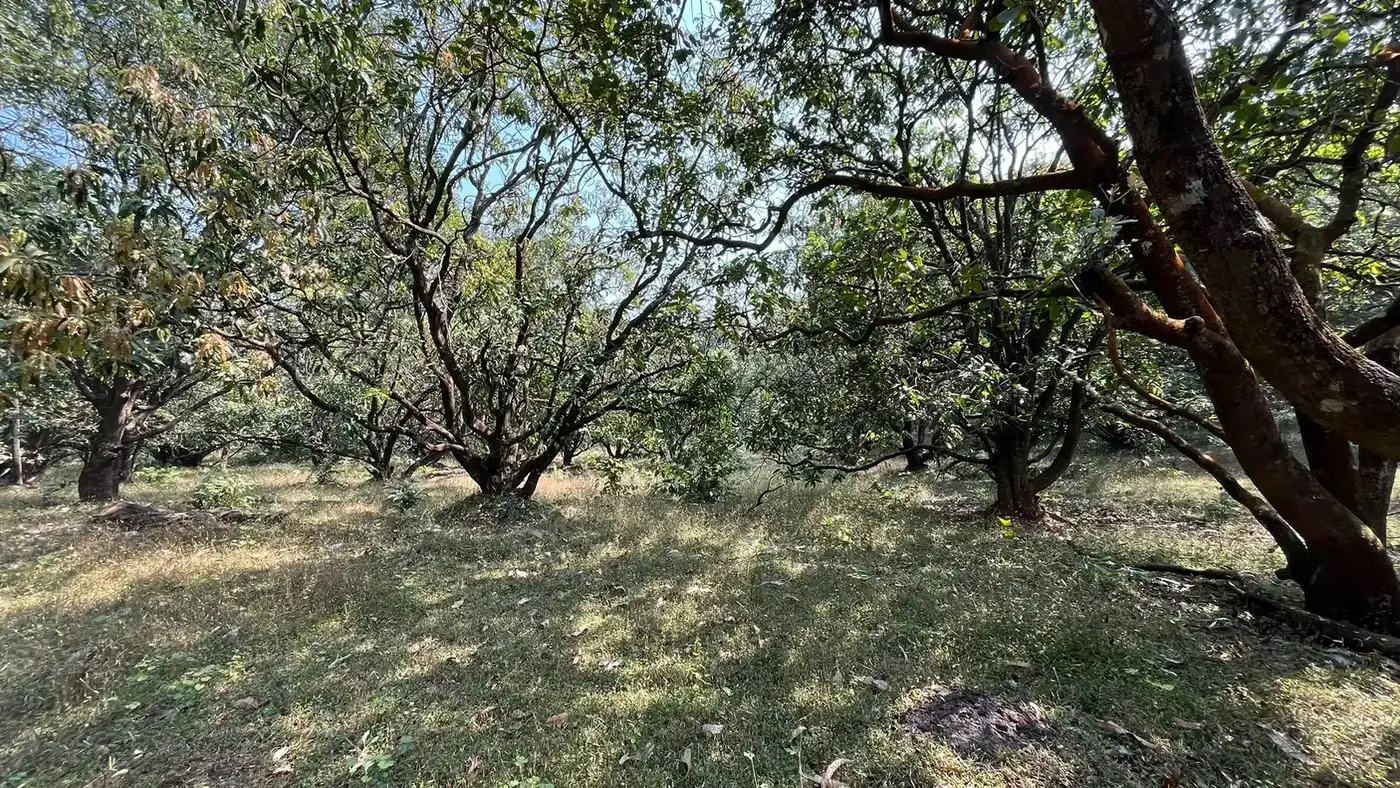
Shade coffee is a farm, but the satellite map often marks it as forest.
The Regulation excludes agricultural plantations from “forest”. But a flag in your buyer’s software still blocks the lot until it is resolved. We resolve it the way a scientist would: satellite imagery from before 2020, canopy structure, and if needed a field visit with species lists and geotagged photos.
Read the full estate testQuestions we get asked
When does EUDR apply to Indian exporters?
From 30 December 2026 for large and medium operators, and from 30 June 2027 for micro and small operators. In practice your EU buyer will ask for plot data before the December shipments leave.
India is rated low risk. Do we still need this?
Yes. Low risk means simplified due diligence for your buyer, not an exemption. Every consignment still needs plot geolocation and proof that the land was not deforested after 31 December 2020.
Why would a coffee estate be flagged as forest?
Shade-grown coffee sits under a tree canopy, so satellite maps often read it as forest. In our test of 305 named estates in Chikmagalur, Kodagu and Sakleshpur, 79% had more than 10% of their area mapped as forest on the EU’s JRC map. The Regulation treats agricultural plantations as non-forest, but a flag still has to be resolved with evidence.
Do you certify EUDR compliance or file the due diligence statement?
No, and nobody outside the EU operator can. The operator files the due diligence statement. We give them clean plot data and evidence they can rely on.
Which products are covered besides coffee?
Rubber, cocoa, soy, palm oil, cattle and wood, including furniture, paper and many handicrafts. The same plot check works for all of them.
We are an EU importer buying Indian coffee. Can you help?
Yes. We check your Indian suppliers’ plot data and deliver it ready for your due diligence system. Our co-founder Dr. Rohan Shetti is based in Berlin; contracts are with Green Concept Ecoscapes Pvt Ltd, India.
Check your plots before your EU buyer checks them.
The EU forest map is public. Your buyer’s software is already checking your plots against it.