
Morpeace.com, 2026
Morpeace Biodiversity Planning and Assessment
Biodiversity planning project for Morpeace.com, developing strategy and design to enhance and manage on-site biodiversity.
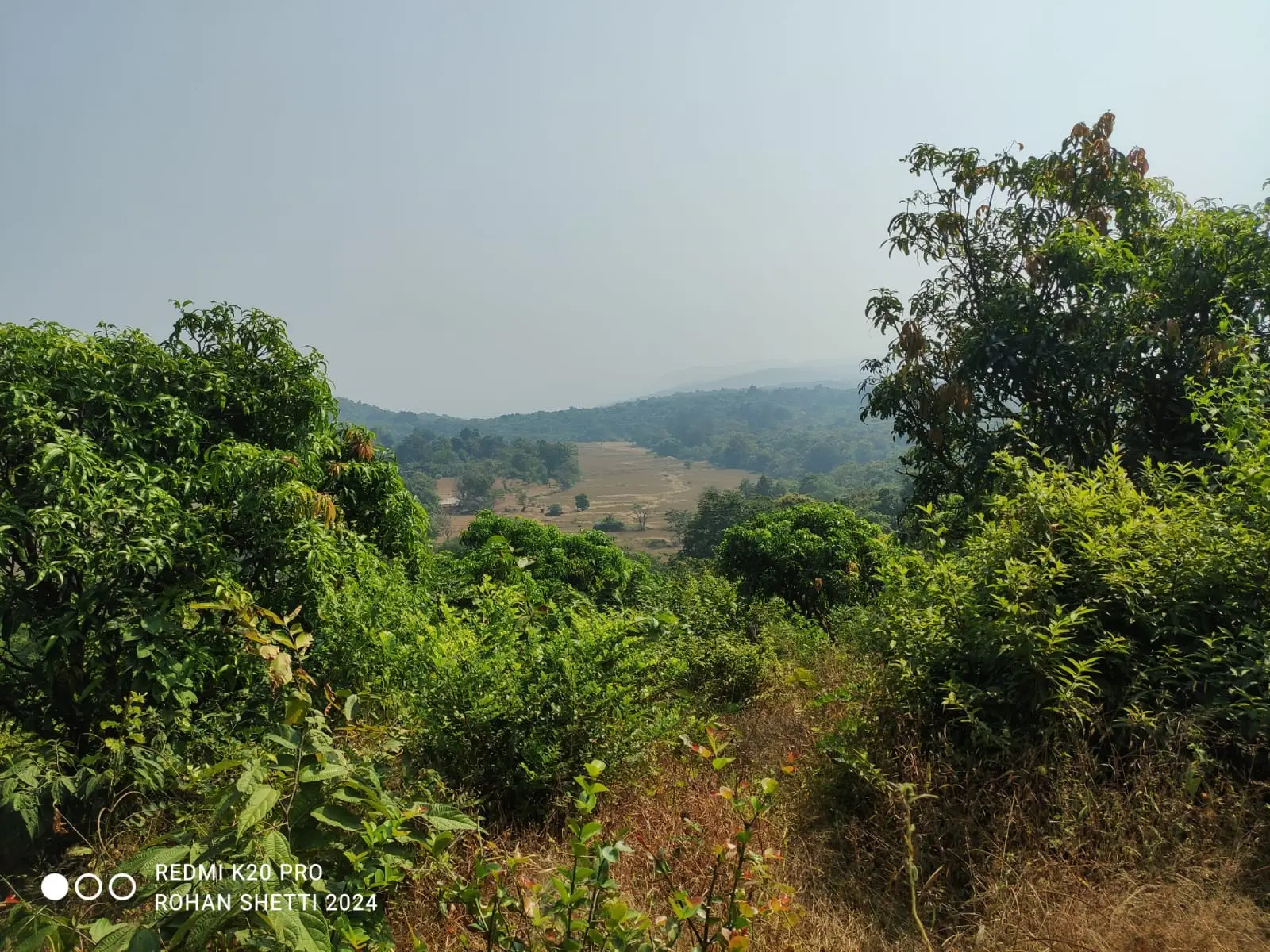
Many plantations report saplings planted, but often nobody checks how many survive. We plan restoration with native species and then measure what grows, so your CSR or compensatory plantation has real numbers behind it.
Rather talk now? Call +91 99704 38127 or WhatsApp.
Organisations that rely on our numbers


.png "Praj Industries")


Plantations planned with native species, with survival and carbon reported every year.
Compensatory plantation that meets the conditions of your tree-cutting permission.
Green belts, degraded patches and open land turned into native habitat.
Restoration design and independent monitoring for forest, river and grassland projects.
Our team has worked for years on the native plants of the Western Ghats and Deccan plateau. We choose species that belong to your landscape, not only what the nursery has in stock.
Get my quote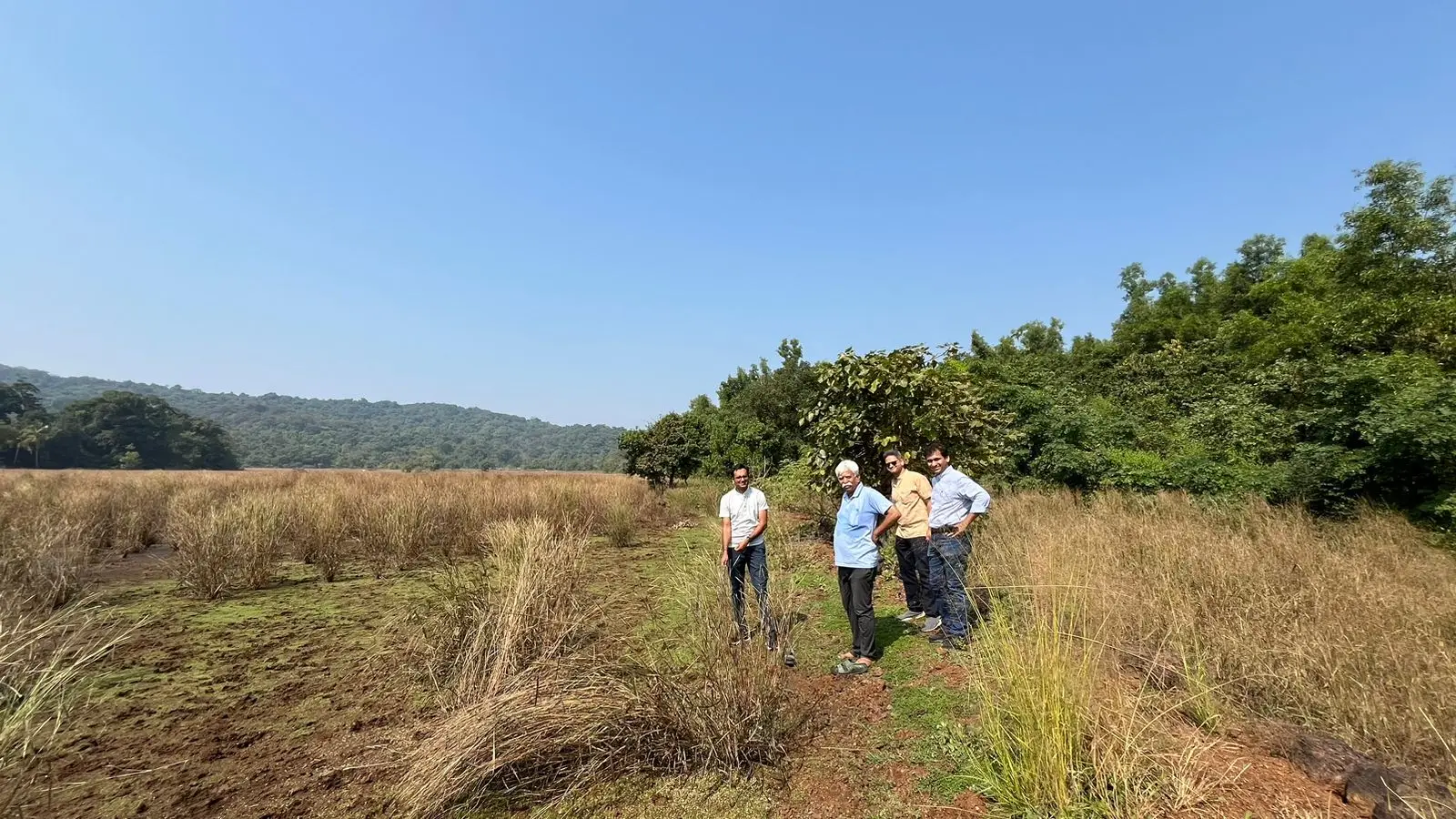
Morpeace.com, 2026
Biodiversity planning project for Morpeace.com, developing strategy and design to enhance and manage on-site biodiversity.

Amar Builders, 2026
Eco tourism project for Amar Builders — documenting on-site biodiversity and natural landscapes to shape a nature-led, sustainable visitor experience.

Bajaj Auto, 2026
Biodiversity assessment, GPS-tagged tree inventory, and habitat mapping across the Bajaj Auto campus — capturing flora, microhabitats, and on-the-ground species records to support sustainability reporting and carbon estimates.
Location, area and what the plantation is for. A Google Maps pin on WhatsApp is enough to start.
We record soil, water, existing vegetation and wildlife, and what is causing the damage.
Native species list, planting layout and timing for the monsoon. We supervise the planting.
Survival, growth, biodiversity and carbon measured on GPS-tagged saplings, with a yearly report.
Landscaping is mainly about how a place looks. Restoration brings back the native plants and habitat that belong to that land, so the area can support birds, insects and other wildlife and slowly look after itself.
Native species are adapted to the local soil and rainfall. They usually need less water and care once established, and they support far more local wildlife than ornamental or exotic trees.
We plan the work, choose the species and supervise planting on site. Planting and maintenance can be done by your team, a local nursery or an NGO partner, and we check the quality.
Every sapling is GPS-tagged. Each year we report survival, growth, new species seen and carbon stored, so you can show real numbers in CSR and BRSR reports.
Yes. We give you the planting records and monitoring data these schemes ask for. The approval itself comes from the authority concerned.
We are based in Pune and work mostly in Maharashtra and the Western Ghats, and take projects elsewhere in India.
Share a Google Maps pin of the site on WhatsApp to start.