
Rustomjee, 2026
Rustomjee Net Zero
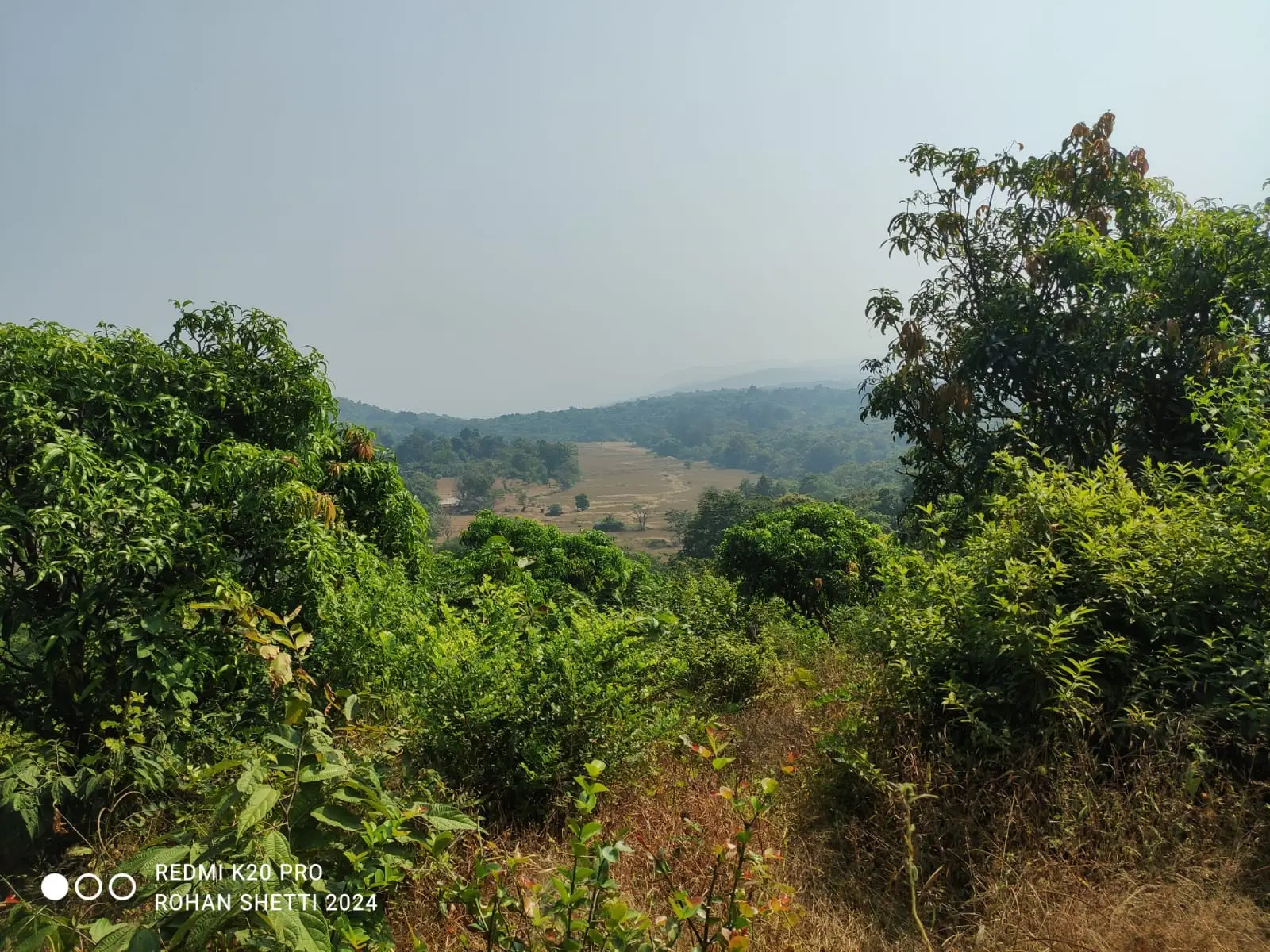
Net zero project for Rustomjee — assessing on-site green cover and carbon sequestration to support the development’s path towards net zero emissions.
CSR reports say “10,000 saplings planted”. BRSR reviewers and net-zero auditors want tonnes of CO₂, and the method behind them. We measure it tree by tree and put our names to the number.
Rather talk now? Call +91 99704 38127 or WhatsApp.
Organisations that rely on our numbers


.png "Praj Industries")


Green-cover and carbon figures that hold up when your BRSR disclosures are reviewed or assured.
Impact reports that show survival, growth and carbon, not just saplings planted.
On-site sequestration for net-zero pathways and green-building documentation.
Baselines and periodic monitoring that a carbon project can be built on.
Our carbon assessment method is IPR-protected (reg. 7704/2025-CO/SW) and published science backs every coefficient we use. 50,000+ tonnes of CO₂ quantified so far.
Get my quote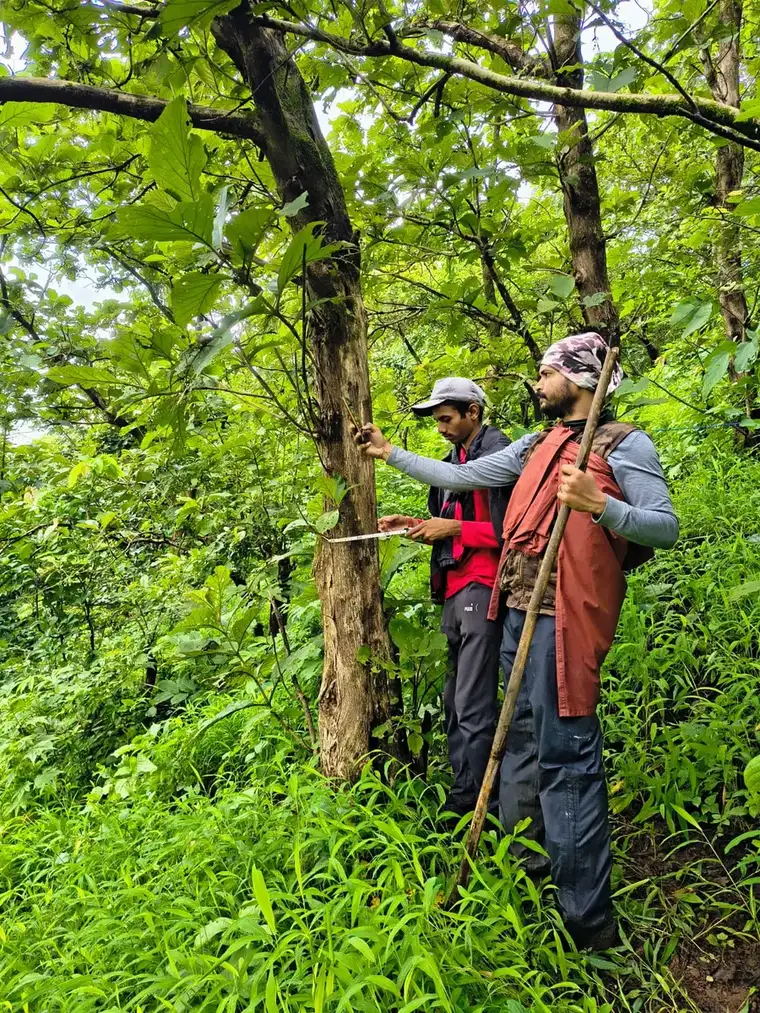
Rustomjee, 2026
Net zero project for Rustomjee — assessing on-site green cover and carbon sequestration to support the development’s path towards net zero emissions.

Fergusson College (Autonomous), 2026
Carbon sequestration study and full tree census across the Fergusson College (Autonomous) campus, quantifying the green cover’s ecological value.

Bajaj Auto, 2026
Biodiversity assessment, GPS-tagged tree inventory, and habitat mapping across the Bajaj Auto campus — capturing flora, microhabitats, and on-the-ground species records to support sustainability reporting and carbon estimates.
BRSR, a CSR impact report or a net-zero claim each need a slightly different report. We match it to your reviewer.
Every tree on smaller sites; statistically sound sample plots plus satellite data on large ones.
Species-specific equations and wood densities turn measurements into tonnes of CO₂, with every assumption written down.
A signed report now, and a repeat assessment a year or two later to show the change.
A site boundary or Google Maps pin, the approximate area and number of trees, any earlier plantation records, and your reporting framework and deadline. Your team does not need to prepare anything else.
Yes. The report states the method, data and assumptions clearly, so your sustainability team and any assurance provider can trace each number back to the field data.
Carbon stock is the total carbon stored in your trees today. Sequestration is how much more they absorb each year. Most reports need both; a repeat assessment shows the change over time.
Carbon credits need a registered project under a standard such as Verra or Gold Standard. We also do carbon credit consultancy. We check if your land or plantation can earn carbon credits, prepare the baseline and monitoring data, and guide you through Verra or Gold Standard. We also tell you honestly if your site is too small to be worth it.
From a single campus to thousands of hectares. For large sites we combine field plots with satellite and GIS analysis.
Get it done before your next BRSR or CSR report goes to review.